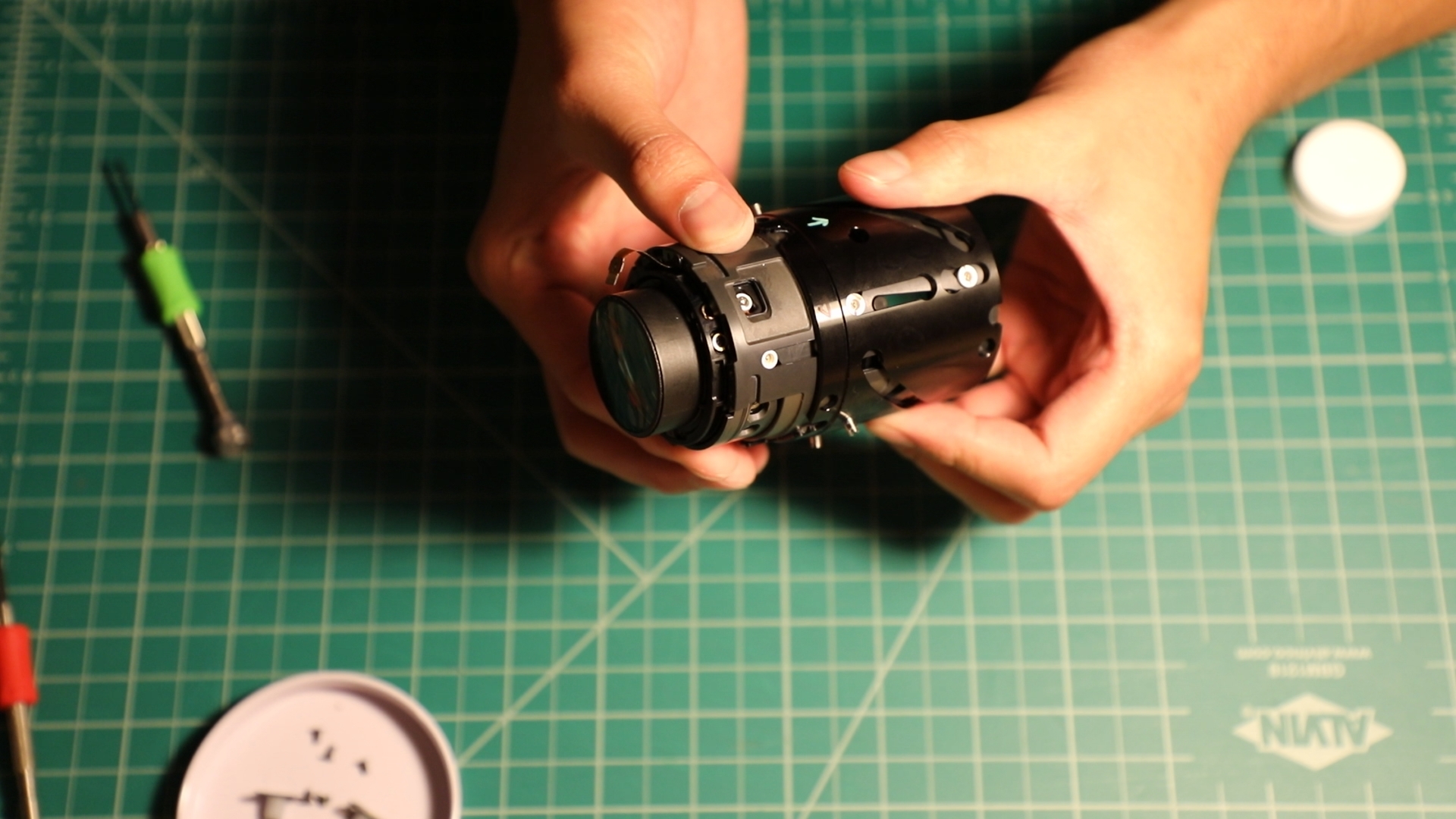

Lens Repair - Canon EF 24-70mm f/2.8 II USM
September 18th, 2026
This was a foray into filming what I do. There were many visual/audio features I can improve on, but this is just a first pass, and I am learning how to embrace the imperfections of the learning process. My bigger goal with filming in the first place is to get better at sharing what I do in science.
There are many better videos and documentation on how to repair this particular lens like this video here. Instead, I’ll list some items I used and give general advice.
Items Used
This was one of the first times I was more deliberate about what products to choose rather than just defaulting to the first Amazon recommendation.
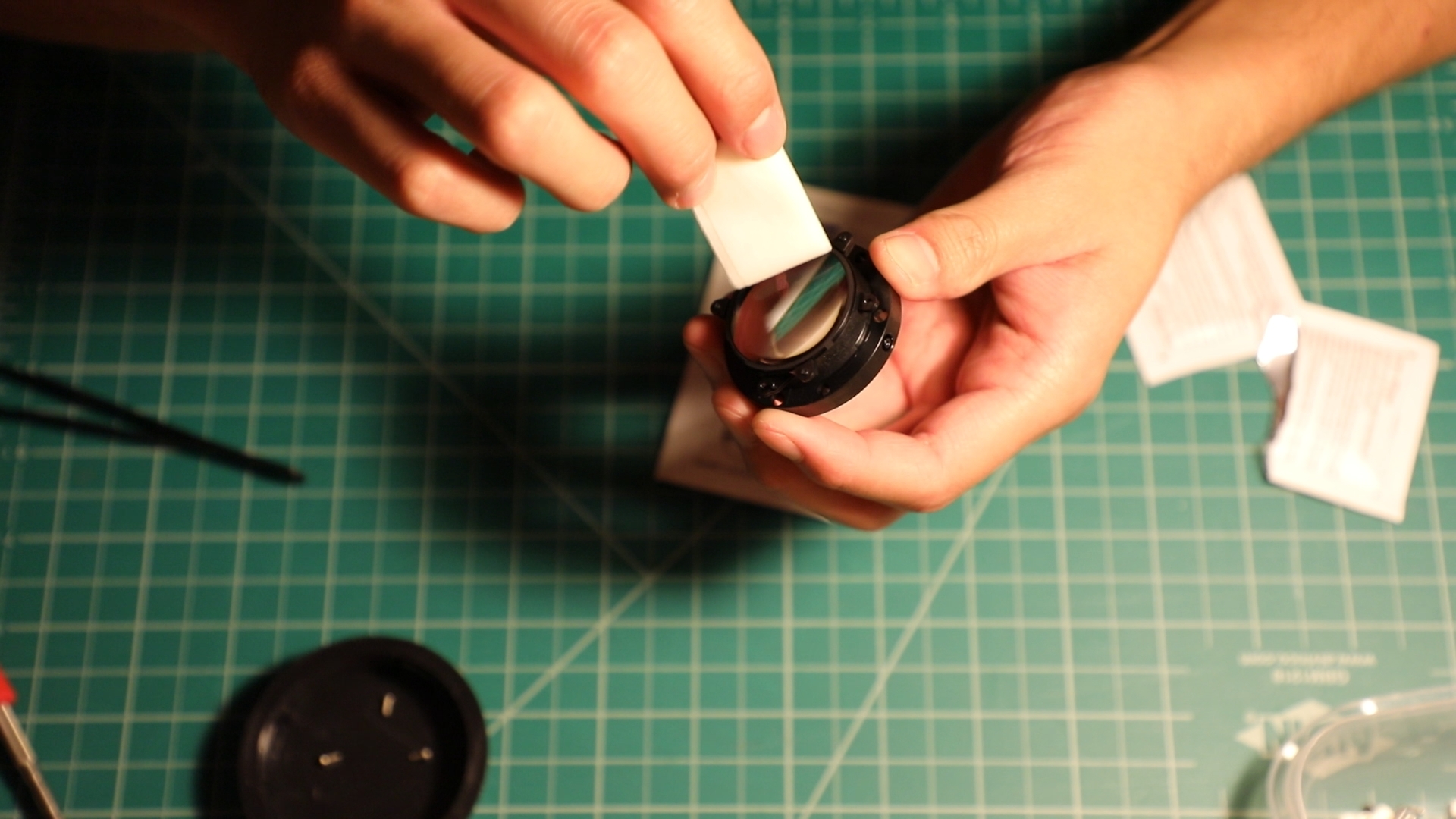
- Zeiss Cleaning Wipes: Zeiss is quite a trusted optics company that has a long history dating back to the development of optics back in the 1840s.
- Vessel Precision Screwdriver Set: VESSEL is a Japanese company dating back to the 1910s manufacturing screwdrivers. I chose this company’s screwdrivers not only for their quality but also because the Canon lens uses Japanese Industry Standard (JIS) screw heads.
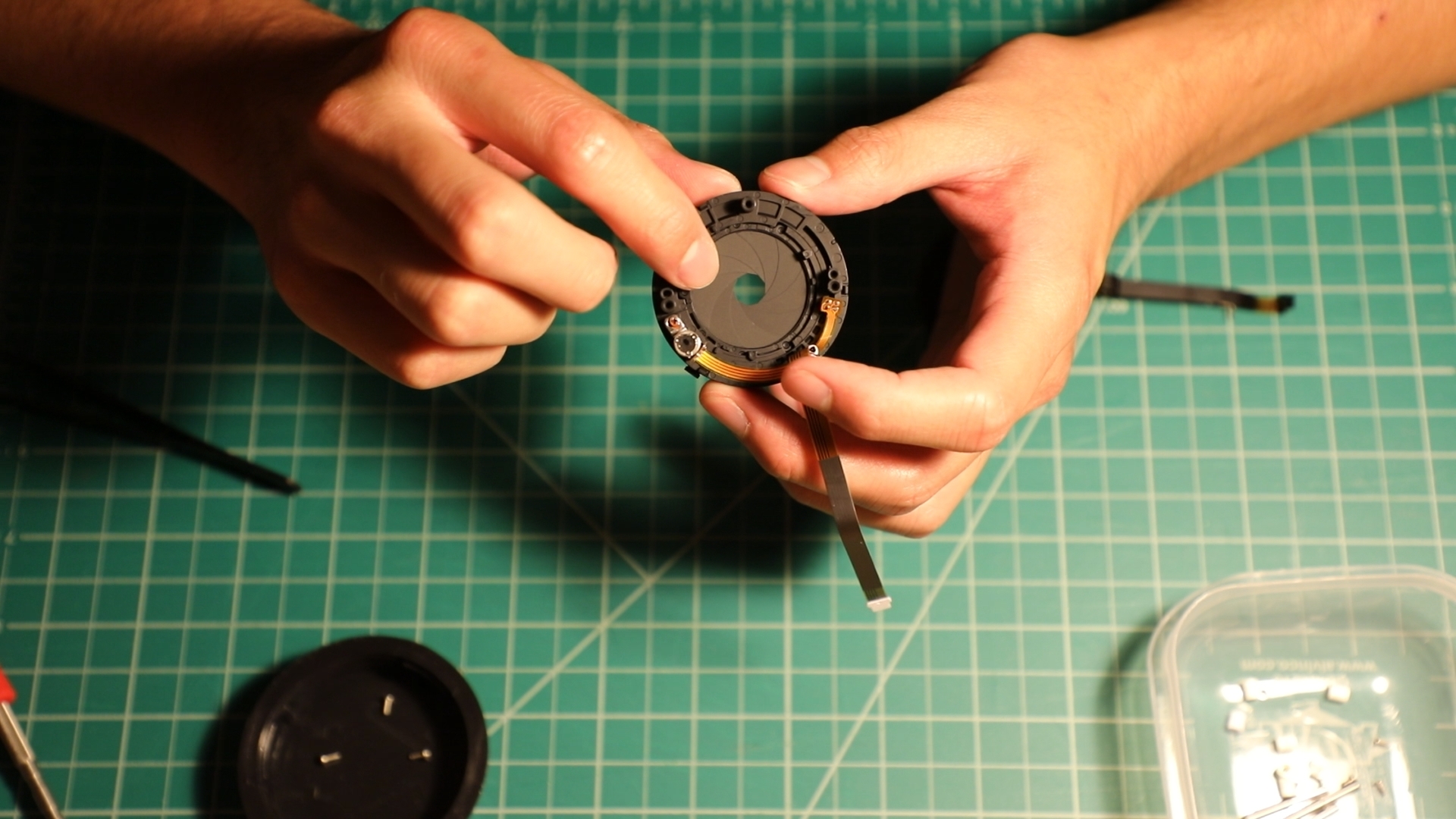
- Aperture Diaphragm Unit: At first, I tried buying a replacement just for the flex cable and thought I could solder it onto the motor and sensor myself, but they are very, very small — I probably messed those components up during my attempt. In the end, it’s probably best to just buy the whole aperture diaphragm unit so you don’t have to worry about any soldering at all. You pay about $10 more, but it saves you a world of headaches.
General Advice
-
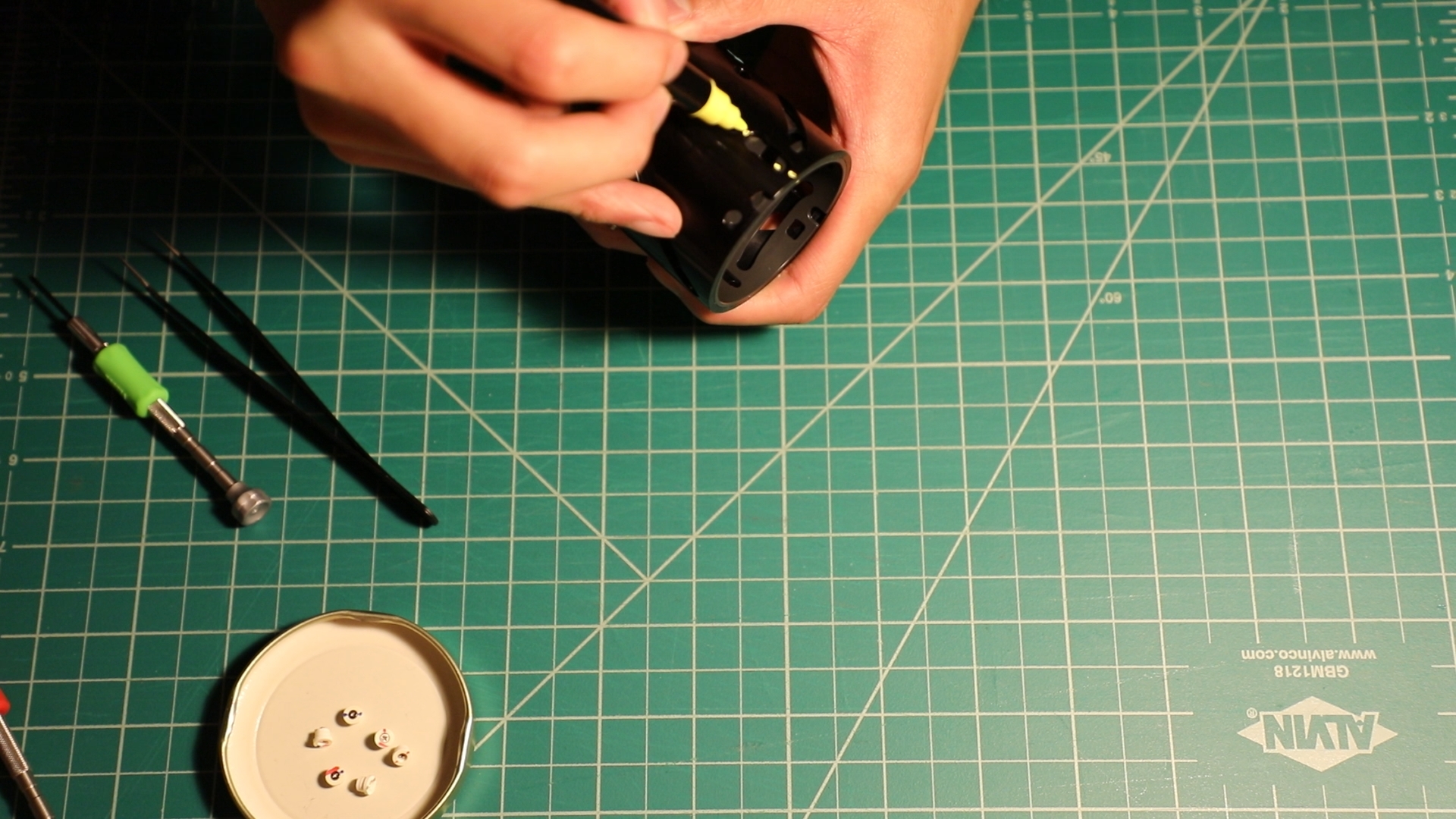
Have lots of trays to put screws in for each stage of disassembling. I just used the lid of Trader Joe’s pasta jars.
- Take picture (videos are even better) at every step you take something apart. You will forget how it was supposed to look before.
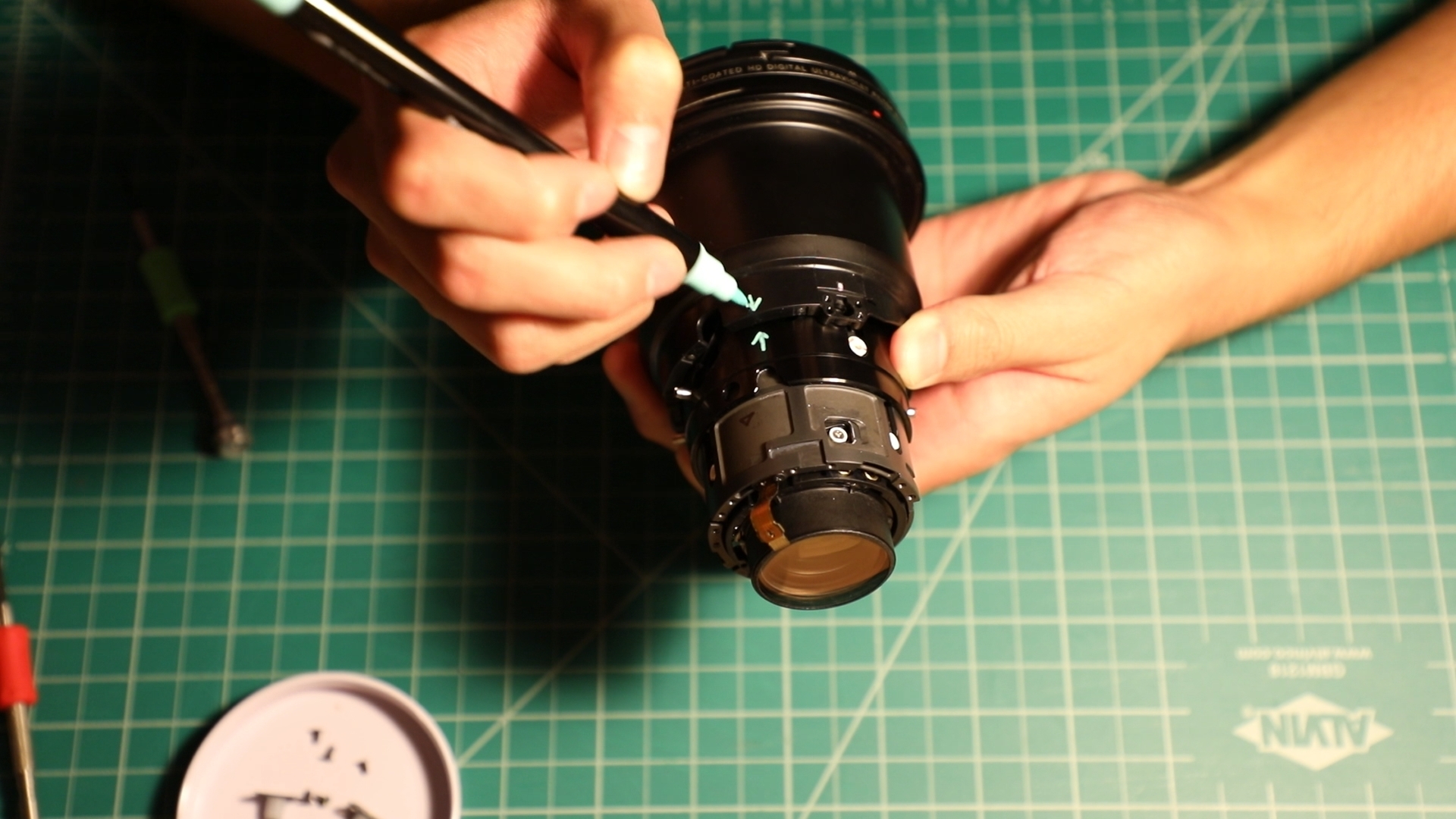
- When you get the focusing rig after taking apart all the outer layers, it is crucial that you start marking the orientation of parts when you separate them. These are not axially symmetric parts (as cylindrical as they may appear)! And you will forget how they were supposed to be positioned.
- The holes in the flex cables are for you to insert an end of a needle or tweezer. It helps with removing and inserting the cable into the clip.
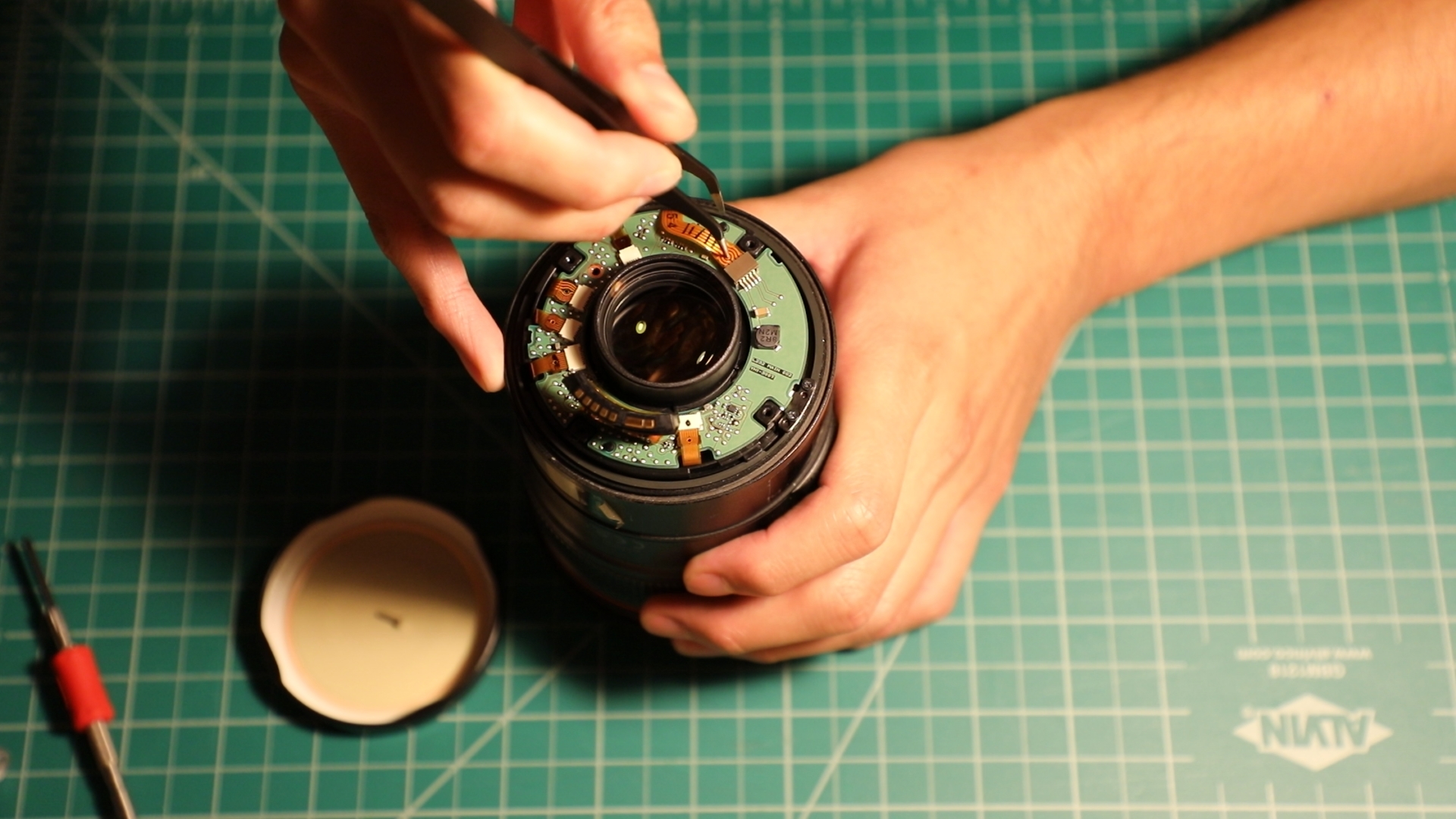
- Take your time.
- Marvel in the amazing engineering that goes into the designing and making of this lens!